
Soups & Stews
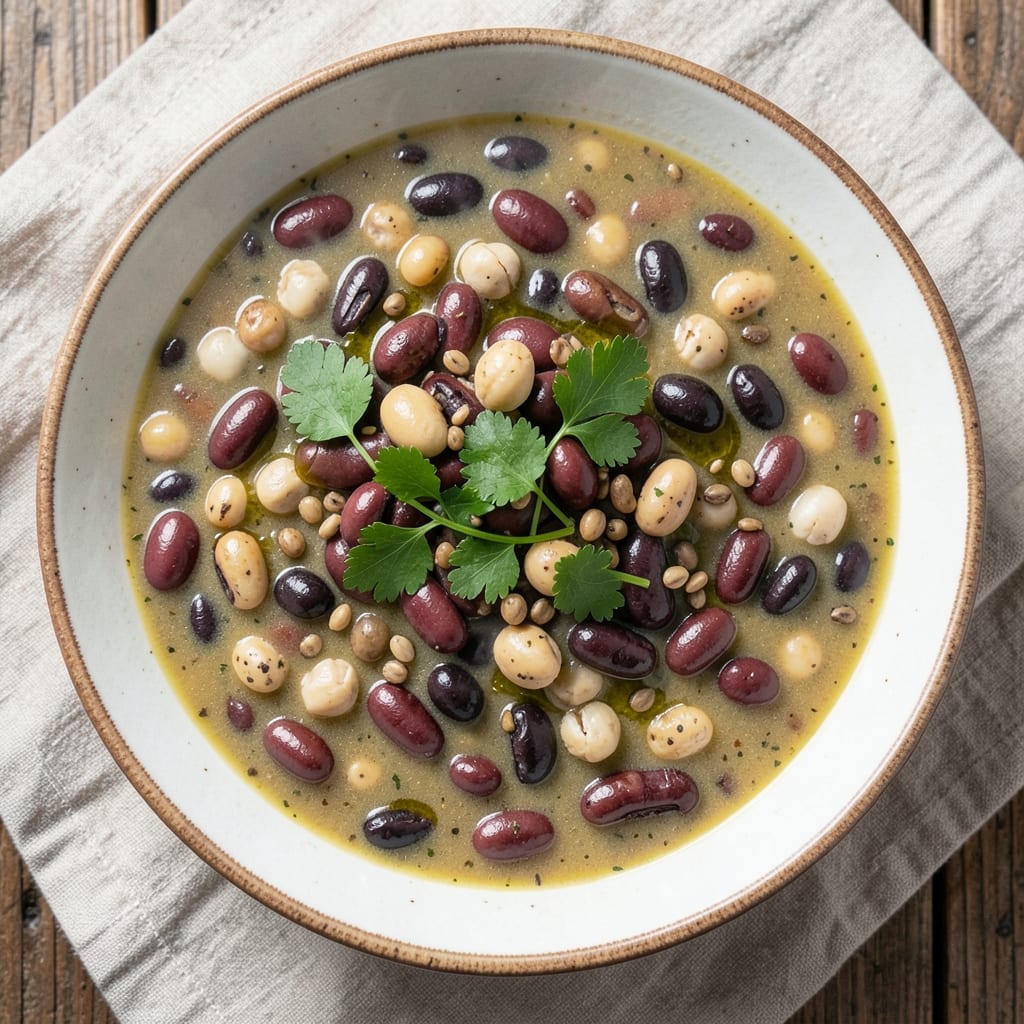
This 15 bean vegetable soup recipe transforms humble pantry staples into a nourishing winter stew that warms the soul and satisfies even the heartiest appetites. The secret lies in combining 15 different beans—each bringing its own texture and flavor—to create a symphony of earthy, creamy, and slightly sweet notes that evolve beautifully as they simmer. What starts as a simple assembly of dried beans and vegetables becomes a deeply comforting bowl of soup that tastes like home, especially on chilly evenings when you crave something substantial yet effortless.
The beauty of this recipe is its versatility—it’s vegetarian-friendly, packed with plant-based protein, and designed to stretch across multiple servings without sacrificing depth of flavor. You’ll start by soaking the beans overnight (or using shortcuts like canned beans for quicker results), then build layers of savory broth infused with aromatic vegetables, herbs, and spices. The slow simmering process allows the beans to soften perfectly while developing a rich, complex flavor that’s far beyond what you’d expect from a pantry-based dish.
By the time you’re ladling this hearty stew into bowls, you’ll notice how the beans—from creamy navy to tender pinto—hold their shape while absorbing the surrounding flavors, creating a texture that’s both satisfying and balanced. The result is a soup that’s hearty enough to stand alone but still light enough to enjoy as a starter, especially when paired with crusty bread or a sprinkle of fresh herbs. It’s the kind of recipe that feels like a hug in a bowl, proving that comfort food doesn’t require fancy ingredients—just time and intention.
Perfect for meal prepping, feeding a crowd, or simply treating yourself to a nourishing midweek dinner, this soup is designed to be your go-to for cozy, budget-friendly meals. The best part? The flavors only improve with time, making it even more rewarding the next day. Let’s get started on creating this pantry-powered masterpiece.
Ingredients for 15 bean vegetable soup
Fifteen types of beans and pantry staples—this soup is pure comfort in a bowl.
| Ingredient | Amount | Notes |
|---|---|---|
| Dried Great Northern Beans 🌱 | 1 cup | Soaked overnight for best texture |
| Dried Navy Beans 🌱 | 1 cup | Soaked overnight for best texture |
| Dried Pinto Beans 🌱 | 1 cup | Soaked overnight for best texture |
| Dried Black Beans 🌱 | 1 cup | Soaked overnight for best texture |
| Dried Kidney Beans 🌱 | 1 cup | Soaked overnight for best texture |
| Dried Chickpeas 🌱 | ½ cup | Soaked overnight for best texture |
| Dried Lentils 🌱 | ½ cup | Green or brown preferred |
| Yellow Onion 🧅 | 1 whole | Diced, yellow or white |
| Carrots 🥕 | 4 whole | Medium size, chopped |
| Celery Stalks 🧄 | 4 whole | Chopped, with leaves |
| Garlic Cloves 🧄 | 6 cloves | Minced, fresh preferred |
| Vegetable Broth 💧 | 6 cups | Low-sodium preferred |
| Tomato Paste 🍅 | ½ cup | Squeeze tube or canned |
| Bay Leaves 🌿 | 2 whole | Dried, removed before serving |
| Fresh Thyme 🌿 | 1 tbsp | Chopped, or 1 tsp dried |
| Salt 🧂 | 1 ½ tsp | Diamond Crystal kosher salt |
| Black Peppercorns 🌶️ | ½ tsp | Freshly ground preferred |
| Olive Oil 🫒 | 2 tbsp | Extra-virgin for richness |
| Fresh Parsley 🌿 | ¼ cup | Chopped, for garnish |
The beans are the heart of this dish, so quality matters. Grab dried beans from the bulk section at Whole Foods or Trader Joe's—they’re fresher than the canned varieties and hold up better. If you’re short on time, canned beans work, but rinse them well to remove excess sodium. The mix of textures—creamy navy, tender pinto, hearty black—is what makes this soup special. For the broth, low-sodium vegetable broth is key; you can find it in the organic section of most grocery stores or make your own from scratch if you’re feeling ambitious.
No fresh thyme? Dried works at one-third the amount, but fresh has that bright, herbal punch. Running low on carrots? Sweet potatoes or butternut squash add natural sweetness and hold up well during simmering. The tomato paste can be swapped for crushed tomatoes if you prefer—just add an extra pinch of salt. For a smoky twist, a dash of smoked paprika works wonders. The celery leaves add subtle flavor, so don’t toss them! If you’re prepping ahead, soak all beans overnight—it’s worth the time for the best texture.
This soup tastes even better the next day—flavors meld beautifully after a night in the fridge. Store in an airtight container for up to 5 days, or freeze portions for 3 months. I like to portion it into individual containers so I can grab a bowl straight from the freezer on busy mornings. Garnish with fresh parsley right before serving—it brightens everything up. And if you’ve got leftover broth? Save it for risotto or another batch of soup—waste not, want not!
Why You'll Love This Recipe
- No-Soaking Needed: I’ll admit, I used to dread soaking beans—until I discovered this trick. Just toss the dried mix (Great Northerns, Navys, Pintos, and all) into a pot with veggies and broth, let it simmer overnight. By morning, they’re tender and ready. No extra steps, no fuss.
- Earthy Depth Bomb: Between us, the combo of kidney beans’ smoky bite, black beans’ richness, and Great Northerns’ buttery texture is ridiculously satisfying. Add a splash of apple cider vinegar at the end? That’s when it becomes dangerous—you’ll want to eat it straight from the pot.
- Potluck Star: This soup travels like a champ. Pack it in a thermos for picnics, bring it to holiday gatherings (it’s hearty enough for Thanksgiving leftovers), or freeze half for when you’re too tired to cook. Honestly, I’ve served it at everything from BBQs to book club nights—no one ever asks what’s in it, just seconds.
- Pantry Goldmine: I swear by this when my grocery budget’s tight. A bag of dried beans lasts forever, and the veggies (carrots, celery, onions) stretch into multiple meals. Make a double batch—what I don’t eat in three days gets pureed into a quick dip or blended into burgers. Zero waste, maximum flavor.
Step-by-step instructions for 15 bean vegetable soup
Transform those pantry staples into a soul-warming stew that's rich, hearty, and packed with texture.
Prepare the Beans for Maximum Texture
Start by sorting through all the dried beans - remove any stones or debris that might be hiding in the packages. Place each type of bean (Great Northern, Navy, Pinto, Black, Kidney, Chickpeas, and Lentils) in separate bowls and cover them with plenty of cold water. I like to use about 4 cups of water per cup of beans. Let them soak overnight at room temperature - this ensures they cook evenly and develop that perfect creamy texture we're after.
Here's the thing - if you're short on time, you can use the quick-soak method: cover the beans with boiling water, let them sit for 2 hours, then drain and rinse. But I promise, overnight soaking makes a noticeable difference in tenderness. The next morning, drain and rinse the soaked beans thoroughly under cold water before adding them to your pot.
Sauté the Vegetable Base
Heat the 2 tablespoons olive oil in a large Dutch oven or heavy pot over medium heat. Add the diced yellow onion, chopped carrots, and chopped celery stalks (including leaves - they add great flavor). Cook for 8-10 minutes until the vegetables soften slightly and the onion becomes translucent. You want them to release their natural sweetness and develop some color.
Add the minced garlic cloves and cook for another 30 seconds until fragrant. This is where the foundation of your soup's flavor develops - don't rush this step. The garlic should sizzle gently without burning. If you notice the vegetables sticking to the bottom, add a splash of water to help release them.
Build the Flavor Foundation
Stir in the 0.5 cup tomato paste and cook for 2 minutes until it darkens slightly and releases its rich, concentrated flavor. This is the secret to that deep, savory base that makes this soup so satisfying. Add the 2 whole bay leaves and 1 tablespoon fresh thyme, then pour in the 6 cups vegetable broth.
Bring everything to a gentle boil, then reduce heat to low-medium and stir in all the drained beans. The soup should bubble gently - if it's too vigorous, reduce the heat further. This is where patience pays off. Let it simmer uncovered for 45 minutes, stirring occasionally. You'll notice the beans begin to soften and the flavors meld together beautifully.
Season and Perfect the Texture
After 45 minutes, check the beans for doneness. They should be tender but still hold their shape - no mushy beans here. If some types are still firm, let them cook another 15-20 minutes. The lentils will cook faster than the larger beans, so keep an eye on them. Taste the soup and adjust seasoning with 1.5 teaspoons salt and 0.5 teaspoon freshly ground black peppercorns.
Here's where it gets good - skim off any foam that rises to the surface. This ensures a clean, velvety texture. If the soup is too thick, add a little more broth. If it's too thin, let it simmer uncovered for another 10-15 minutes to reduce slightly. The perfect consistency should coat the back of a spoon but still be light enough to ladle easily.
Finish and Serve with Flavor
Remove the bay leaves and stir in the 0.25 cup chopped fresh parsley. This bright green herb adds a fresh finish that cuts through the richness of all those beans. Let the soup sit off the heat for 10 minutes - this resting period allows all the flavors to truly meld together.
Ladle the soup into bowls and serve immediately. The aroma alone will make everyone's mouth water. Each spoonful delivers that perfect balance of creamy beans, sweet vegetables, and deep savory notes. For extra richness, serve with crusty bread to soak up every last drop of that delicious broth. This soup tastes even better the next day as the flavors continue to develop - perfect for meal prep!
Pro Tips For Making 15 Bean Vegetable Soup
- SOAK BEANS TWO WAYS: I used to soak all beans together—big mistake. Great Northerns and Navy beans need 8+ hours or overnight soaking, while Pintos and Black beans soften faster in 4-6 hours. Split the batch: soak the slow beans first, then add the faster ones later to finish cooking together.
- SALT THE POT LATE: Adding salt early turns beans tough. Wait until all beans are simmering—about 30 minutes in—and then season generously. This keeps them tender while letting the flavors meld properly.
- SKIP THE BOILING OVER: Stirring beans too early causes a violent boil that scalds the edges. Let the pot settle for 10 minutes after adding water, then adjust heat to a gentle simmer. Your future self will thank you for avoiding a kitchen flood.
- SAUTE BEANS FIRST: Toss the dried beans in a dry skillet for 2-3 minutes before soaking. This removes surface starches and cuts cooking time by 20 minutes. Yes, it smells weird at first—but the soup ends up creamier.
Pro cooking tips for perfect results
Bean Soaking Secrets
For the best texture, I swear by overnight soaking—place beans in separate bowls with plenty of cold water (about 4 cups per cup of beans) and let them soak for 8-12 hours. This breaks down tough skins and ensures even cooking. If you're in a rush, use the quick-soak method: cover beans with boiling water, let sit for 2 hours, then drain. Pro tip: Add 1 tsp baking soda to the soaking water to soften beans faster—just rinse thoroughly before cooking. 🌱
Vegetable Prep Matters
Don’t skip chopping the celery leaves—they add subtle flavor! Cut carrots and onions into ¼-inch dice for even cooking, and mince garlic finely for maximum aroma. Sauté the veggies over medium heat until they soften but don’t brown—this prevents bitterness. If your pot gets too dry, add a splash of broth to deglaze and release stuck-on bits. 🧅
Tomato Paste Trick
Cook the ½ cup tomato paste for 2-3 minutes until it darkens slightly—this deepens its flavor and removes raw taste. Stir constantly to prevent burning. For extra richness, add 1 tbsp olive oil to the paste before mixing it into the soup. This step is non-negotiable for that restaurant-quality depth. 🍅
Simmering Like a Pro
Keep the soup at a gentle simmer—not a rolling boil—to prevent beans from splitting. Stir occasionally to distribute heat evenly, especially after adding the beans. If the soup looks too thick after 45 minutes, add ¼ cup broth at a time. For even cooking, place the pot on the back burner of your stove where heat is most consistent. ⏰
Seasoning Adjustments
Taste the soup before adding salt—beans and broth already contain sodium. Adjust with ½ tsp salt at a time until balanced. For extra depth, add ¼ tsp smoked paprika or a pinch of cayenne pepper while simmering. Freshly ground black pepper should be added at the end to preserve its sharpness. 🌶️
Make-Ahead Magic
This soup tastes even better the next day as flavors meld! Store in an airtight container in the fridge for up to 5 days or freeze for 3 months. To reheat, warm over low heat with a splash of broth—never microwave directly, as it can make beans mushy. Garnish with fresh parsley right before serving to brighten flavors. 💫
Nutrition facts
Frequently asked questions
Can I substitute any of the 15 beans in this recipe?
The key is maintaining a mix of textures and flavors. Swap similar-sized beans like white beans for navy, or lima beans for pinto. For variety, try adding cannellini beans (creamy texture) or adzuki beans (slightly sweet). Just ensure the total volume remains similar—2 cups of mixed dried beans total works well. Avoid beans with very different cooking times (like lentils vs. chickpeas) unless you're willing to adjust simmering times.
How can I make this soup faster without sacrificing flavor?
Use canned beans instead of dried—just rinse thoroughly to reduce sodium. For the vegetable base, chop ingredients slightly larger to speed up sautéing. Skip the overnight soak by using the 2-hour quick-soak method (boiling water + 2 hours). Finally, reduce simmering time to 30-40 minutes instead of 45, checking bean doneness early. The flavor will still develop beautifully!
Why does my soup taste bland after simmering?
This usually happens from one of three issues: under-seasoning, insufficient simmering time, or using low-quality broth. First, taste before adding salt—beans and broth already contain sodium. Second, let the soup simmer uncovered for the full 45 minutes to allow flavors to concentrate. Finally, use a rich vegetable broth (homemade or high-quality store-bought) and add 1 tsp soy sauce or Worcestershire (vegetarian version) for umami depth.
Can I make this soup in an Instant Pot or pressure cooker?
Yes! First, sauté onions, carrots, and celery in the Instant Pot with 1 tbsp oil for 3 minutes. Add garlic, tomato paste, and spices, then pour in broth and beans. Seal and cook on high pressure for 15 minutes, then quick-release. For extra flavor, finish with a 5-minute natural release. The beans will be perfectly tender, and the cooking time is cut from hours to minutes!
What's the best way to serve this hearty soup?
This soup is perfect as a main dish with crusty bread, cornbread, or warm tortillas for scooping. For a complete meal, pair it with a simple green salad (tossed with lemon vinaigrette) or roasted garlic bread. It also makes an excellent starter when served in small bowls with a drizzle of olive oil and extra herbs. Leftovers reheat beautifully—just add a splash of broth to loosen the texture.