
Soups & Stews
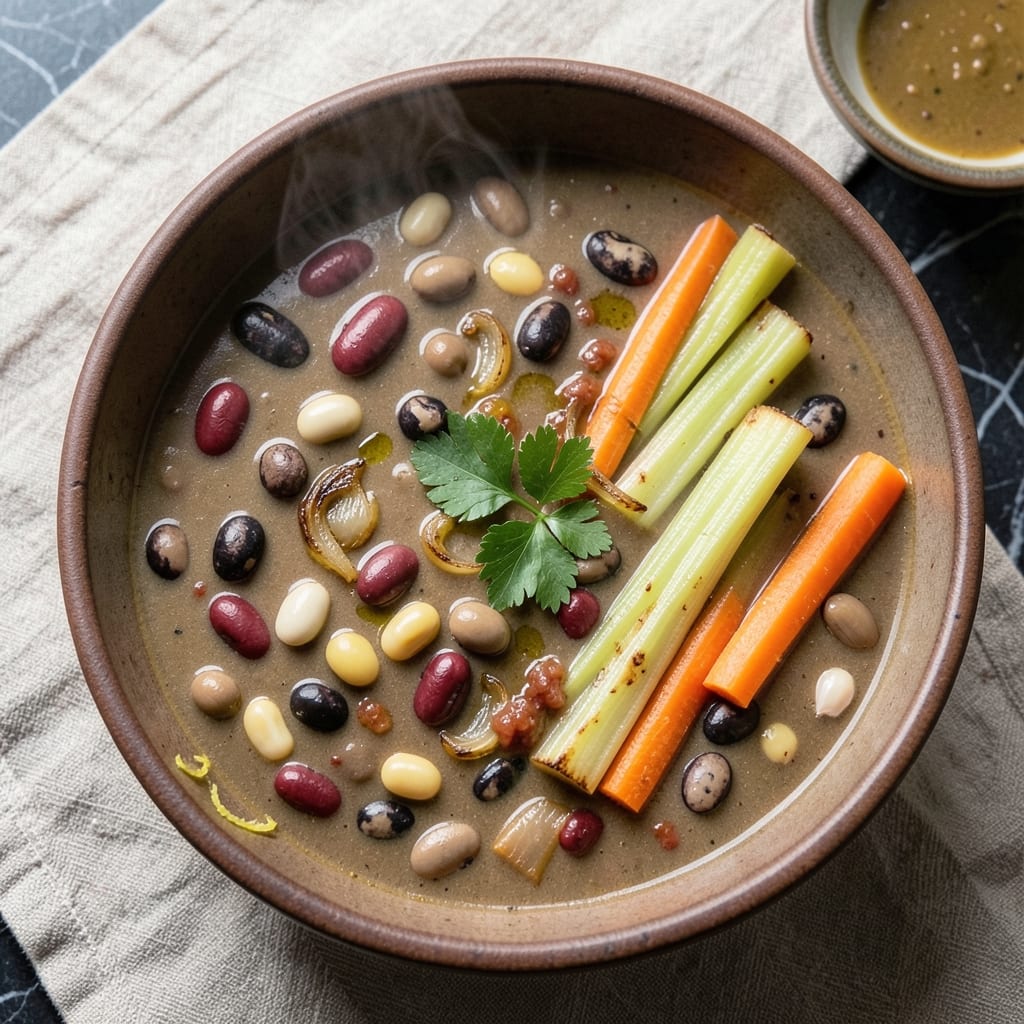
A 15 bean soup package transforms pantry staples into a hearty, protein-rich stew that warms the soul and satisfies hunger. This recipe builds on the convenience of pre-mixed beans while elevating them with aromatic vegetables, herbs, and spices that develop into deep, complex flavors during a long simmer. The beauty lies in its simplicity—no fancy ingredients required, just thoughtful layering of ingredients that work together seamlessly.
What sets this recipe apart is its adaptability. Whether you're following a vegetarian diet, need a vegan version, or simply want to customize the flavors, this soup accommodates it all. The beans provide substantial plant-based protein, while the broth and vegetables create a rich, comforting base. With minimal prep and hands-off cooking, you'll end up with a steaming bowl of soul-warming goodness that's perfect for chilly days or meal prep.
The key to success lies in proper simmering—allowing the flavors to meld and the beans to soften just enough to create a velvety texture without losing their integrity. The result is a soup that's hearty enough to stand alone or pair beautifully with crusty bread, a dollop of sour cream, or fresh herbs for brightness. This recipe proves that pantry staples can deliver restaurant-quality comfort.
Ready in about 1 hour, this soup is ideal for busy weeknights or weekend meal prep. The leftovers reheat beautifully, making it a practical choice for feeding a family or batch cooking for the week. Let's turn those simple ingredients into a flavorful masterpiece.
Ingredients for 15 bean soup package
Pantry staples meet aromatic vegetables and herbs for this vegetarian 15 bean soup.
| Ingredient | Amount | Notes |
|---|---|---|
| 15 Bean Soup Package (Vegetarian) 🌱 | 1 package | Dried beans, not canned |
| Vegetable Broth 💧 | 6 cups | Low-sodium preferred |
| Carrots 🥕 | 2 medium | OR 1 cup diced (peeled) |
| Yellow Onion 🧅 | 1 whole | Medium size, diced |
| Celery Stalks 🥬 | 3 whole | Trimmed, chopped |
| Garlic Cloves 🧄 | 4 cloves | Minced for depth |
| Bay Leaves 🍃 | 2 whole | Dried, standard size |
| Dried Thyme 🌿 | 1 tsp | Or 1 tbsp fresh |
| Ground Black Pepper 🌶️ | 1 tsp | Freshly cracked |
| Salt 🧂 | 1 ½ tsp | Diamond Crystal preferred |
| Olive Oil 🫒 | 2 tbsp | Extra-virgin for richness |
| Fresh Parsley 🌿 | ¼ cup | Chopped, for garnish |
| Tomato Paste 🍅 | 2 tbsp | Smooth, no sugar added |
| Red Wine Vinegar 🍷 | 1 tbsp | For brightness |
The dried beans are the foundation, so choose a high-quality package—look for organic or heirloom varieties at Whole Foods or Trader Joe's if you want extra flavor. The vegetable broth should be low-sodium to control seasoning; homemade is ideal but Pacific Foods or Imagine brands work well. Carrots add natural sweetness, but if you prefer uniformity, swap for 1 cup pre-diced carrots—just don't skip them entirely. The onion, celery, and garlic form the classic 'holy trinity' of soup flavor; chop them uniformly to ensure even cooking.
No dried thyme? Fresh thyme at half the amount works beautifully, but if you're out of both, 1/4 tsp dried oregano bridges the gap. Substituting wine vinegar? Apple cider vinegar has a similar tang. For extra richness, add 1 tbsp nutritional yeast—it mimics umami without dairy. The tomato paste can be skipped if you dislike intense tomato flavor, but it deepens the color and adds body. Prefer a smoother texture? Blend half the soup before serving for a velvety consistency.
Store cooked beans in the broth for up to 5 days in the fridge, or freeze for 3 months—they reheat beautifully. The broth alone keeps for 4 days if separated, perfect for future soups. For meal prep, portion into containers with a layer of olive oil on top to preserve freshness. Garnish with parsley just before serving to maintain vibrant color—it wilts quickly once chopped.
Why You'll Love This Recipe
- No-Chop Night Saved: I swear by this when I’m too tired to dice anything. Toss in the pre-chopped celery and onion from the package, add the beans and broth—boom. Done in 15 minutes, no knife skills required. (Yes, even on a Tuesday night.)
- Hearty Without Effort: That mix of navy beans, pinto beans, and garbanzos? It’s like a flavor bomb waiting to happen. The onion and carrots caramelize just enough to make it taste homemade, but with zero fuss. Honestly, it’s the kind of soup that makes you forget it’s vegetarian.
- Meal Prep MVP: Make a big batch on Sunday, and you’ve got lunch for the week. The flavors actually get better after sitting overnight—my college kid texts me every time I send him a jar. Plus, it reheats like a dream, no soggy beans here.
- Pantry Staple Magic: Between us, this is my go-to when the grocery budget’s tight. The 15-bean mix is cheap, the broth lasts forever, and you’re left with a pot of soulful, filling soup. I’ll be real: I’ve fed a houseful of people for under $10 with this. Reliable.
Step-by-step instructions for preparing hearty 15 bean soup
Transform simple pantry staples into a rich, flavorful soup with this straightforward method.
Prepare the Vegetable Base
Heat the 2 tablespoons olive oil in a large Dutch oven over medium heat. Add the diced yellow onion, chopped celery stalks, and diced carrots, stirring occasionally for 5-6 minutes until the vegetables soften and begin to release their natural juices.
This foundational step develops the soup's depth of flavor. The vegetables should be tender but not browned—you're building a flavor base, not caramelizing. Add the 4 minced garlic cloves and cook for another 30 seconds until fragrant. This quick cooking preserves the garlic's sweetness rather than letting it turn bitter.
Develop the Flavor Foundation
Stir in the 2 tablespoons tomato paste and cook for 1 minute to toast its rich, umami notes. Add the 1 tablespoon red wine vinegar and let it simmer for 30 seconds to brighten the flavors. Pour in the 6 cups vegetable broth, scraping up any browned bits from the bottom of the pot.
Bring the mixture to a gentle boil, then reduce heat to low-medium and add the 1 package 15 bean soup mix, 2 bay leaves, 1 teaspoon dried thyme, 1 teaspoon ground black pepper, and 1.5 teaspoons salt. This combination creates the perfect balance of earthy, savory, and slightly tangy flavors that define classic bean soup.
Simmer to Perfect Texture
Cover the pot and let the soup simmer gently for 45-50 minutes, stirring occasionally. You'll know it's ready when the beans are tender and the vegetables have fully broken down into the broth. The soup should have a thick, hearty consistency—not too thin, but not gluey either.
Here's the thing—don't rush this step. The longer the beans simmer, the more their flavors meld with the vegetables and broth. Taste occasionally and adjust seasoning if needed. If the soup gets too thick, add a splash of water or broth to reach your preferred consistency.
Finish and Serve
Remove the 2 bay leaves and discard them. Stir in the ¼ cup chopped fresh parsley just before serving to add a fresh, vibrant finish. The parsley brightens the dish and provides a visual contrast to the deep, rich colors of the soup.
Ladle the soup into bowls and serve immediately while hot. Each spoonful should deliver a perfect balance of textures—creamy beans, tender vegetables, and a robust broth. For extra depth, serve with crusty bread to soak up every last drop of that flavorful liquid.
Pro Tips For Making 15 Bean Soup Package
- SOAK THE BEANS FIRST: I learned this the hard way—skipping the soak means your beans stay chewy instead of tender. Even the pre-cooked mix in the package benefits from a 10-minute soak in warm broth before simmering. It cuts cooking time and makes every bite melt-in-your-mouth.
- CHOP VEGETABLES UNIFORM: No one wants a mouthful of whole celery or a carrot chunk the size of a marble. Dice the onion, carrots, and celery into ¼-inch pieces so they cook evenly. (Yes, it takes 5 minutes, but your soup won’t be a textural disaster.)
- SIMMER, DON’T BOIL: This isn’t pasta water—aggressive boiling turns beans mushy and dulls flavors. Keep the heat at a gentle simmer (tiny bubbles, occasional swirls) for the full 45–60 minutes. I used to rush it, and the soup always tasted flat.
- STIR IN BROTH GRADUALLY: Dumping all the broth at once dilutes the flavor and stretches the beans too fast. Add half the broth first, simmer 20 minutes, then add the rest. This keeps the texture consistent and lets the beans absorb flavor properly—no watery, sad soup here.
Common mistakes when making great 15 bean soup package
Skipping the Soak
Dried beans need proper hydration, but I’ve seen people skip soaking entirely, thinking it’ll save time. Big mistake! Without soaking, your beans will take much longer to soften—sometimes doubling the simmer time. Worse, they’ll stay hard and chalky, ruining the texture. If you’re short on time, quick-soak for 1 hour instead of skipping it. Trust me, the difference is night and day. 💫
Overcrowding the Pot
Using a Dutch oven is smart, but filling it past halfway with liquid before adding beans is a recipe for disaster. When beans are submerged in too little broth, they’ll absorb all the moisture and turn mushy. Always aim for at least 3 inches of liquid above the beans when they’re added. If your pot looks crowded, reduce the bean quantity or use a larger pot.
Ignoring the Simmer
A rolling boil will cook your beans unevenly and make the broth cloudy. Keep the heat at a gentle simmer—you should see just a few tiny bubbles breaking the surface. Boiling also causes beans to split open, releasing starch that thickens the soup into a gluey mess. If you see excessive foam, reduce the heat immediately. Patience here makes all the difference.
Underseasoning Early
Tasting the soup too soon is a common trap. The flavors develop over time, so don’t add all the salt at the start—wait until at least 30 minutes into simmering. If you season early, you’ll end up with a bland, watery soup because the beans will absorb the broth and dilute everything. I like to taste at 30-minute intervals and adjust gradually. The final seasoning should be bold but balanced.
Using Low-Quality Broth
Store-bought broth can make or break your soup. If you’re using a high-sodium broth, your soup will taste flat and one-dimensional. Even worse, some cheap broths have a metallic or artificial aftertaste. Always choose low-sodium vegetable broth—brands like Pacific Foods or Imagine are reliable. For extra depth, consider making your own broth from vegetable scraps. The flavor upgrade is worth the effort.
Not Skimming Foam
Those bubbles that rise to the surface during the first 15-20 minutes of simmering aren’t just water—they’re starch and impurities from the beans. Skim them off with a spoon or ladle to keep your soup clear and prevent a gluey texture. I use a fine-mesh strainer for this—it’s faster than spooning. Skipping this step means you’ll end up with a soup that’s thick and pasty rather than silky and smooth. 🌟
Nutrition facts
Frequently asked questions
Can I use canned beans instead of dried beans in a 15 bean soup mix?
While traditional recipes call for dried beans, you can absolutely use canned beans for convenience! Drain and rinse 2 (15 oz) cans of mixed beans (like Great Northern, kidney, and pinto) to replace the dried package. Add them during the last 10 minutes of simmering to prevent mushiness. Just reduce the broth by 1 cup since canned beans contain more liquid.
How do I make this soup vegan?
Swap the vegetable broth for mushroom or seaweed-based broth and omit any dairy toppings. For extra umami, add 1 tbsp soy sauce or 1 tsp miso paste when simmering. Garnish with fresh herbs or avocado slices instead of sour cream. The recipe already aligns with vegetarian diets, but these tweaks make it fully plant-based!
Why does my 15 bean soup taste bland after cooking?
Bland soup usually means underseasoning or insufficient simmering time. First, ensure you're using low-sodium broth—high-sodium broth masks flavors. Second, taste after 45 minutes of simmering and adjust with salt, pepper, or a splash of red wine vinegar (½ tsp) for brightness. For depth, add 1 tsp smoked paprika or a pinch of nutritional yeast before serving.
Can I freeze leftover 15 bean soup?
Yes! Freeze the soup in airtight containers for up to 3 months. Allow it to cool completely first, then portion into containers with 1-inch headspace to prevent ice crystals. Thaw overnight in the fridge and reheat on the stove over medium-low heat, stirring occasionally. The texture may thicken slightly—add a splash of broth if needed.
What's the best way to reheat 15 bean soup?
Reheat gently on the stove over medium-low heat to preserve texture. Add 2-3 tbsp water or broth if the soup seems too thick. For microwave reheating, cover with a damp paper towel and heat in 1-minute intervals, stirring between each. Never reheat past 165°F to maintain food safety and prevent a gluey consistency.